From Red-Hot Metal to Unbreakable Parts: The Untold Journey Few Talk About
The Untold Journey Few Talk About
There’s something almost magical about watching a glowing chunk of metal transform into something strong, precise, and unbreakable. Most people never stop to think about what goes into the parts powering heavy machines, construction tools, or even your car’s engine. But behind the scenes, a fiery, powerful process is at play — one that gives these components their unmatched strength. Yes, we’re talking about hot forging parts — a world that’s loud, intense, and surprisingly beautiful.
The Start of Something Strong
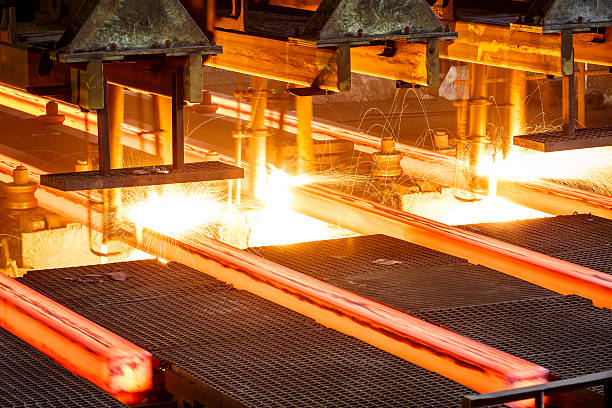
Imagine a metal bar, cold and lifeless. Then, it enters a furnace, and suddenly, it glows like the sun. This isn’t just heat — it’s the beginning of transformation. At extreme temperatures, the metal becomes soft enough to shape, but it’s still tough enough to hold together. Skilled workers use force — literally tons of it — to mold this red-hot material into precise forms. Every blow from the hammer counts. Every second in the heat matters. This is hot forging in action.
What makes this process so special isn’t just the heat or the hammering. It’s the result: parts that can handle stress, pressure, and time like no other. No wonder forged parts are trusted in industries where failure is not an option — like aerospace, oil and gas, and automotive.
It's Not Just Metal, It's a Story of Strength
Each forged piece tells a story — not one of machines and fire alone, but of craftsmanship, endurance, and precision. While machines do much of the heavy lifting, human hands still play a crucial role. They guide the process, make adjustments, and ensure perfection.
This isn’t your average assembly line. It’s more like modern-day blacksmithing — where centuries-old knowledge meets today’s technology. And behind that roaring furnace and thundering press, there are people who know exactly how far to push the metal — and when to stop.
The Beauty of Imperfection
Not everything goes right the first time. Sometimes the metal cracks. Sometimes the shape is off. But that’s part of what makes this process human. It's about learning from each press, each mistake, and finding the sweet spot where pressure meets purpose.
These imperfections teach us something valuable: even the strongest things aren’t born perfect — they’re shaped that way.

Why Forging Still Matters Today
In an age where so much is digital, fast, and disposable, forging stands out as something real — something built to last. You can 3D print a plastic part in minutes, but it won’t hold up the way a forged one does. Forging is about more than function — it’s about trust.
Industries rely on forged parts because they don’t just meet expectations — they exceed them. Whether it’s holding up a bridge or powering a turbine, these parts are designed for durability in ways other processes simply can’t match.
The Part No One Talks About
What most people don’t see — and rarely hear about — is what happens between the fire and the final product. It’s the dozens of checks, tweaks, and tests. The re-heating, the re-forging. The human effort it takes to get things just right. It’s not glamorous. It’s not flashy. But it’s real. And it matters.
There’s pride in every piece. The kind that doesn’t show up on data sheets but lives in the hands of those who make it.
Also Read: Stress Analysis in Hot Forged and CNC Machined Components
A Final Thought on Strength
The next time you see a crane lifting steel beams, or hear the engine of a truck roar to life, take a second to think about what’s behind that power. Chances are, somewhere inside, there’s a forged part doing the heavy lifting. Not just because it had to — but because it was built to.
And maybe, just maybe, that’s something we can all learn from. That real strength doesn’t happen by accident. It’s forged — with heat, pressure, patience, and purpose.
For more on industry safety standards and manufacturing regulations in forging, you can explore insights from the Occupational Safety and Health Administration (OSHA) — a U.S. government authority ensuring workers’ safety in heavy industries like forging.


Comments
Post a Comment