From Blueprint to Reality: How CNC Machined Components Manufacturers Turn Ideas into Perfection
Every great product starts as an idea—just a sketch, a scribble on paper, or maybe a 3D design on a computer screen. But how does that idea transform into a real, tangible part that fits perfectly, works flawlessly, and lasts under pressure? That’s where CNC machined components manufacturers step in. They’re the unsung heroes of modern engineering, turning raw blocks of metal into precision-crafted parts that quietly power our everyday lives.
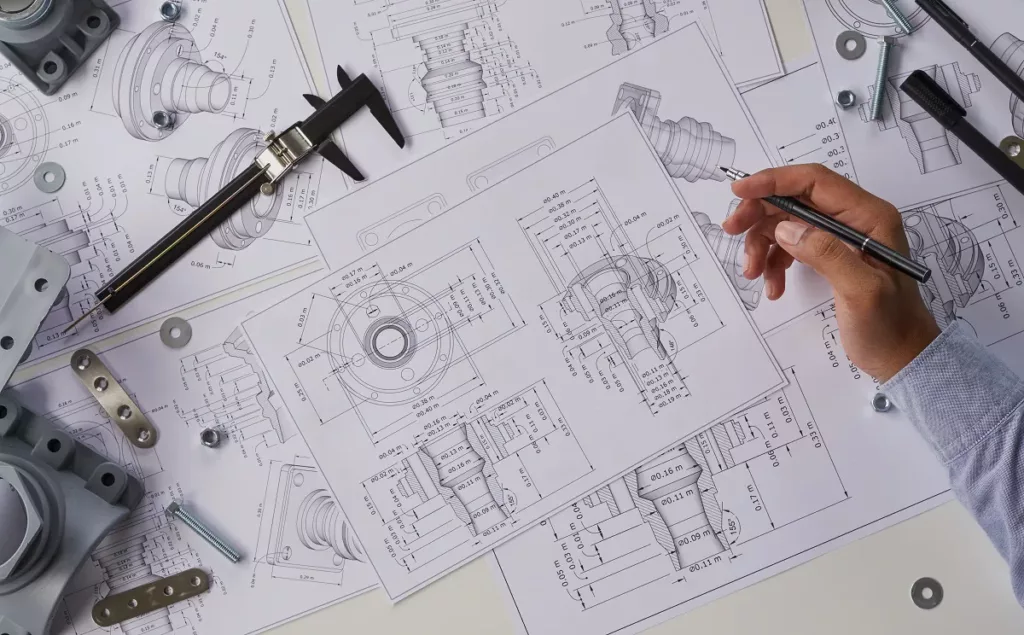
The Magic of Turning Designs into Reality
Think about your car, your phone, even the airplane you might take for a vacation. All of them rely on parts that need to be exact, sometimes down to the tiniest fraction of a millimeter. A little off, and the whole system could fail. CNC machining—short for Computer Numerical Control machining—makes sure that doesn’t happen.
Here’s the beautiful part: it all starts with a blueprint. An engineer or designer brings the concept. Then, using advanced CNC machines, manufacturers breathe life into it. These machines follow coded instructions with unbelievable precision, shaping metals and alloys into components that are not just functional but often works of art in their own right.
Why CNC Machining Feels Almost Magical
To someone outside the industry, CNC machining can look like a mix of science and magic. You feed in a digital design, and out comes a flawless component. But behind that smooth process lies years of expertise, experience, and constant innovation.
Some reasons why CNC machining feels like perfection in motion:
Unmatched Accuracy: Machines can cut and shape parts down to microns.
Consistency: Whether it’s the first part or the thousandth, quality doesn’t drop.
Versatility: From aerospace to healthcare, CNC parts are everywhere.
Speed: What once took weeks by hand can now be done in days or even hours.
Industries That Rely on CNC Perfection
It’s not just one sector—CNC machining touches almost every corner of modern life.
Automotive: The gears, pistons, and shafts inside your vehicle depend on CNC accuracy to run smoothly.
Medical: Surgical tools, implants, and life-saving devices are crafted with incredible precision.
Aerospace: Planes and spacecraft can’t afford mistakes. Every bolt, turbine blade, and joint must meet exact standards.
Electronics: The small metal casings and connectors inside your gadgets often come from CNC machines.
Every industry has one thing in common—they need parts that don’t just work once, but perform again and again without failing.
The Human Side of Precision
Here’s something many people forget: CNC machining isn’t just about machines. Behind every perfectly cut part, there are humans—skilled machinists, engineers, and designers—who make sure that nothing slips through the cracks.
It’s their eyes that spot a tiny design flaw before production. Their hands that adjust a machine when something doesn’t look right. And their experience that ensures a component isn’t just accurate but also reliable in the real world.
So yes, CNC is about technology, but it’s also deeply about human expertise.
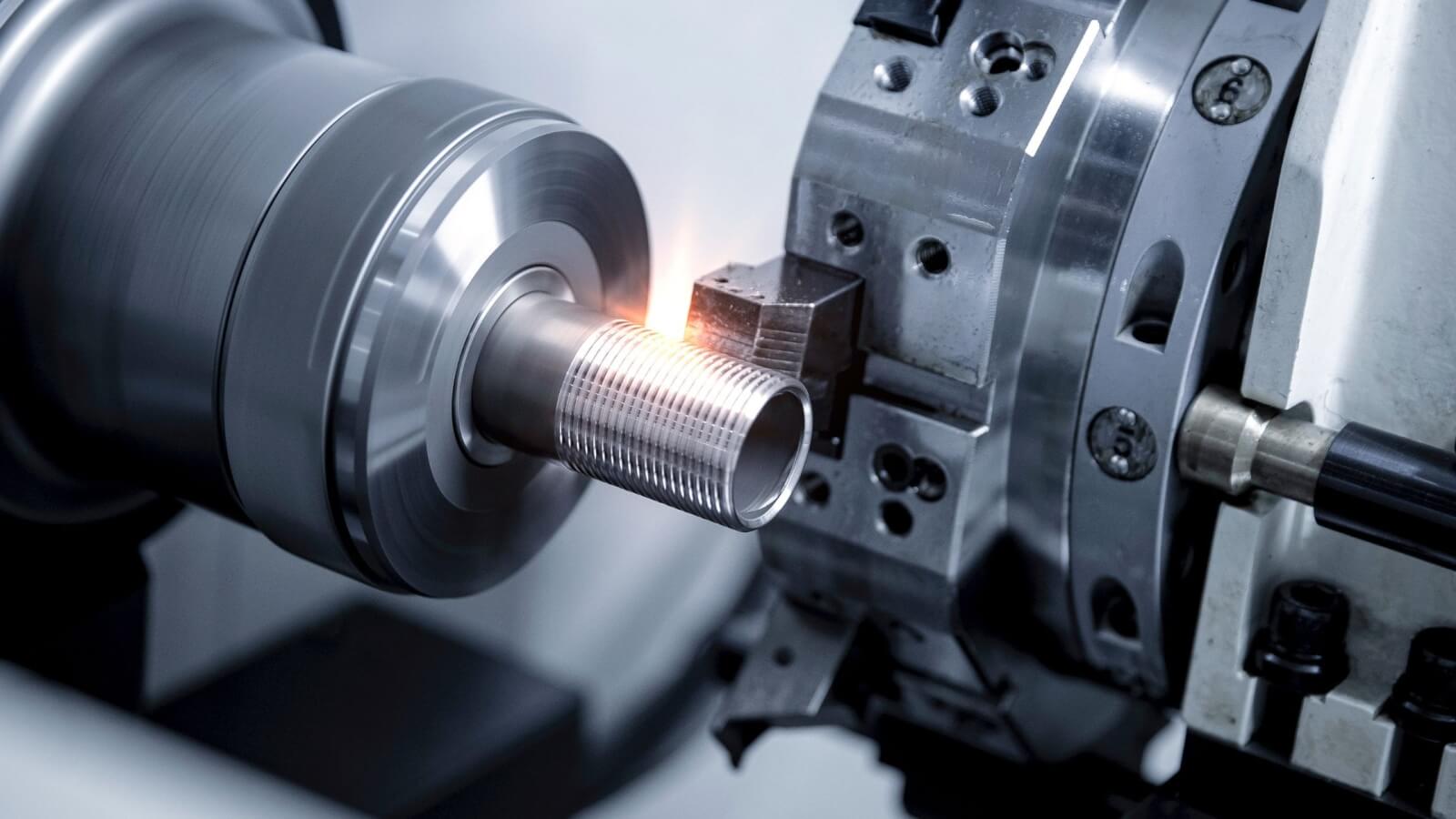
The Journey from Idea to Perfection
The process is simple on the surface but layered with complexity:
The Blueprint: A digital design is created, often in CAD software.
Programming: Machinists translate that design into machine language.
Material Selection: Choosing the right metal or alloy is crucial.
Machining: The CNC machine gets to work—cutting, drilling, shaping with microscopic precision.
Inspection: No part leaves without being tested and measured.
Delivery: The final product is shipped, ready to become part of something bigger.
This journey—from blueprint to finished part—is what keeps industries moving forward. Without it, innovation would hit a wall.
Why It Matters More Than Ever
We live in a world where precision is no longer a luxury; it’s a necessity. A faulty part in a car could risk lives. A poorly made medical tool could fail in the middle of surgery. That’s why CNC machining has quietly become the backbone of modern manufacturing.
It gives us confidence that what we’re using—from the vehicles we drive to the technology we carry—is built with care, accuracy, and reliability.
Also Read: Forged to Last: Why Automotive Parts Built Under Pressure Outperform the Rest
Final Thoughts
When we look at sleek cars, powerful airplanes, or even the tiny gadgets we use daily, it’s easy to forget the invisible work behind them. But every detail, every perfect curve, and every flawless fit comes from a long journey of design, machining, and human expertise.
CNC machining may not always get the spotlight, but without it, modern life as we know it simply wouldn’t exist. And as industries evolve, the demand for precision will only grow stronger—making this process more vital than ever.
Even the U.S. Department of Commerce recognizes the importance of advanced manufacturing and precision engineering in driving the nation’s growth. It’s proof that behind every big leap forward, there’s a world of finely machined parts making it possible.


Comments
Post a Comment