When Perfection Is the Only Option: The Craftsmanship That Sets True CNC Machined Components Manufacturers Apart
There’s something quietly beautiful about machines that just work. No drama. No hesitation. No ugly surprises after assembly. And behind those flawless parts you see in engines, medical devices, or aerospace systems, there’s always one thing in common—true craftsmanship. The kind that only the best cnc machined components manufacturers seem to deliver without fail.
You can feel the difference the moment you hold a perfectly machined part in your hand. The smooth edges. The clean geometry. The consistency that feels almost impossible. But that level of perfection doesn’t happen by luck. It happens because some manufacturers treat machining like an art form rather than just another industrial process.

The Art Hidden Inside Machines
People often imagine CNC manufacturing as cold, robotic, and boring. Just a computer telling metal what to do. But if you’ve ever walked inside a serious machining shop, you’ll know that the real magic comes from the people, not the machines.
There’s a certain kind of personality behind great machining work—detail-obsessed, a little stubborn, incredibly patient, and deeply in love with precision. These are the people who will scrap a part that looks “almost perfect” because almost is never enough.
Perfection here doesn’t mean luxury or showing off. It means reliability. Someone’s product, someone’s business, someone’s safety depends on these tiny tolerances most people never even see.
What Truly Sets Great Machining Apart
It’s not just advanced machinery. It’s not just certifications on the wall. It’s something deeper.
1. The Obsession With Microns
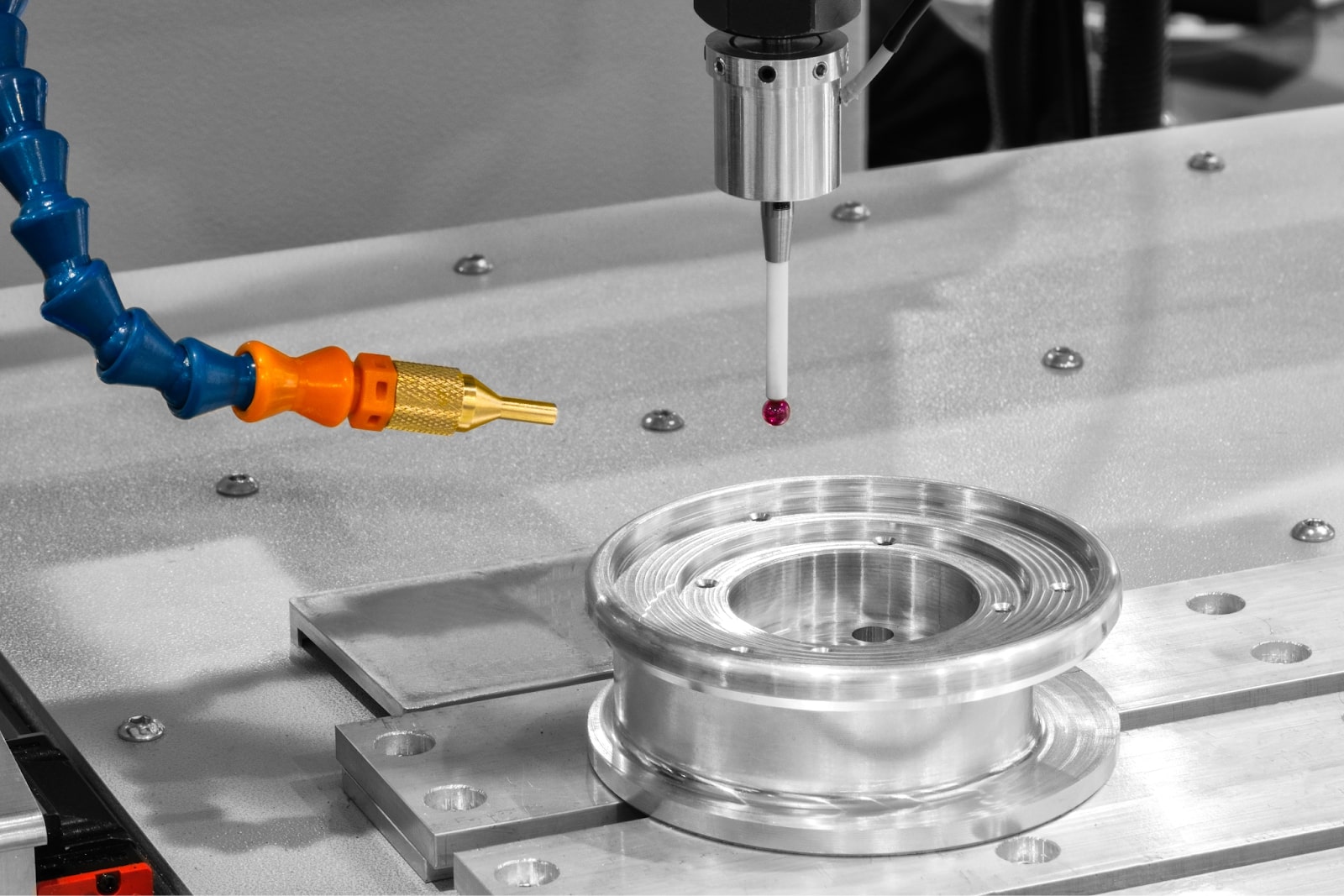
A micron is one-thousandth of a millimeter. Most people can’t even visualize that. But great manufacturers live in that space every day. They tweak, measure, inspect, adjust, and re-check until the numbers align with their internal standard of perfection.
2. The Love for Clean, Smooth Processes
Real craftsmanship is also about consistency, not just one good part. The best shops design their workflows like a rhythm—from raw material to final inspection—with each step flowing smoothly into the next.
Every tool, every fixture, every coolant level, every temperature change… it’s all part of a carefully managed system.
3. Hands That Still Feel What Machines Can’t
Even in a world full of automation, the human touch refuses to die. Skilled machinists can feel a surface, hear a cutting tool, or smell overheating metal and know something is wrong before sensors catch it.
There’s something poetic about that—humans and machines working together, each compensating for the other’s limits.
4. The Courage to Reject Imperfection
This is the hardest part. Anyone can produce parts. Only a true craftsman can throw away hours of work because the finish isn’t as clean as it should be or because one tiny measurement fell outside tolerance.
This is where good manufacturers stop… and great ones rise.
Why This Level of Perfection Matters More Today
Industries are changing fast. Cars are becoming computers on wheels. Medical devices are becoming smaller, smarter, more life-critical. Aerospace parts need to withstand extreme environments.
There’s no room for a “good enough” mentality.
The world now runs on microscopic precision, and the demands keep rising. What was considered high-quality ten years ago is barely acceptable today. And every failure—every misaligned part, every rough edge—comes with real consequences.
That’s why customers who understand craftsmanship look beyond pricing. They don’t chase cheap quotes or flashy marketing. They choose partners who respect their product as much as they do.
Behind Every Perfect Part, There’s a Story
People rarely talk about the emotional side of machining, but it’s there.
When someone spends hours programming, setting up, measuring, recalibrating, running tests, tweaking speeds and feeds… that’s passion. When a machinist proudly hands over a finished piece, that’s personal satisfaction. When a part fits perfectly into a larger machine, quietly doing its job for years without failing—that’s legacy.
Perfection isn’t just an option here. It’s the only option because anything less would betray the work, the trust, and the responsibility that manufacturers carry on their shoulders.
Final Thoughts
The world may see CNC machined components as just metal shapes, but behind them is human skill, patience, discipline, and a deep respect for perfection. That’s what sets true craftsmen apart from the rest. And as technology continues to evolve, this blend of precision engineering and human dedication will only become more valuable.
According to a detailed manufacturing analysis published by Engineering.com precision-driven machining companies consistently outperform generic suppliers in reliability and long-term product performance—once again proving that true craftsmanship isn’t just impressive, it’s essential.


Comments
Post a Comment