What Breaks First in Extreme Conditions?
The Answer Lies in the Forging Floor
When the pressure’s on—whether it’s 40,000 feet above ground, deep inside an oil rig, or beneath the hood of a speeding vehicle—failure is not an option. But still, things do fail. And what fails first? Often, it’s not the design or the technology—it’s the component. That’s why, in industries where reliability is life or death, the spotlight quietly shifts to something far less glamorous but absolutely critical: the forging process. That’s exactly why experienced engineers obsess over choosing the right Hot forging suppliers at the very beginning of their build.
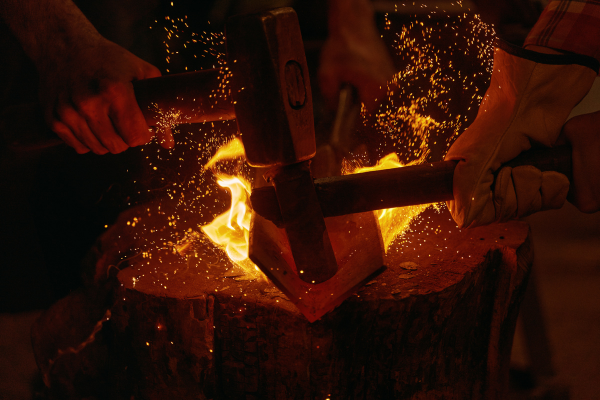
Why Extreme Conditions Test Everything—Especially Materials
In controlled environments, most metal parts perform just fine. But real-world conditions laugh at "fine." Extreme heat, pressure, impact, and constant stress don’t just test performance—they expose weaknesses. These are the environments where nothing short of perfection survives. A small crack, a slight inconsistency, or a microscopic flaw can turn into a full-blown failure. And here’s where the real story begins—not in the lab, but on the forging floor.
The Birthplace of Strength: It All Starts Here
The forging floor is not just where metal is shaped—it’s where it’s given character. Unlike casting or machining from raw stock, hot forging applies intense heat and pressure to shape metal. This not only gives it a desired form but actually refines its grain structure, eliminates internal voids, and increases its toughness.
That’s why components made through hot forging aren’t just stronger—they’re smarter. They "know" how to handle stress because they were literally built under it. When forged properly, a part can withstand unimaginable forces without cracking, bending, or breaking. And that’s not by accident—it’s by design, grit, and experience.
Not All Forging Is Created Equal
Just because something is forged doesn’t mean it’s forged right. The difference between a top-tier forged part and a mediocre one often boils down to the smallest details: temperature control, die design, timing, material selection, and operator skill. That’s why manufacturers who deal in mission-critical applications don’t just shop around—they partner with forging experts who live and breathe this craft.
Cheap shortcuts in the forging process may not show up immediately, but give it time—and stress—and things start to fall apart. That’s the scary truth behind "budget components" in critical machines. In the end, paying a little more for experienced forging suppliers isn’t a luxury; it’s protection against failure.

Where It Shows Up: Real-World Chaos
Here are a few examples where hot forged parts have proven themselves:
Aerospace: Turbine disks and landing gear need to take enormous stress and still perform after thousands of cycles.
Automotive: Suspension arms, crankshafts, and steering knuckles—all forged, all essential to life-saving stability.
Oil & Gas: Tools and drilling heads face brutal underground conditions where repair isn’t an option.
Defense: When armored vehicles roll through combat zones, every bolt, axle, and hinge must be battle-tested.
Each of these parts faces extremes in heat, load, impact, and vibration. And time after time, the forged ones hold.
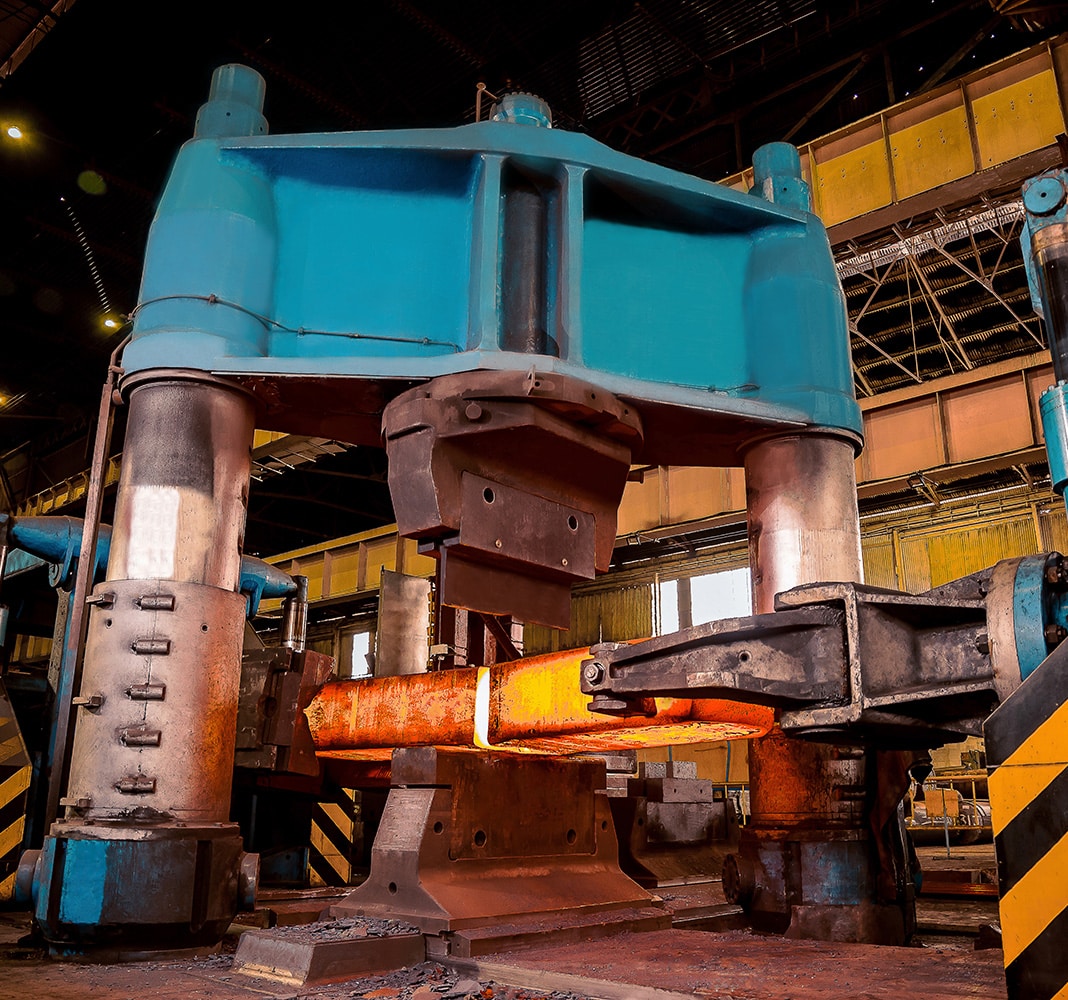
Why Engineers Still Trust the Old Ways (With a Modern Touch)
There’s a reason hot forging has stood the test of time—it works. But what makes today’s forging even more reliable is how it blends traditional strength-building with modern-day precision. From better metallurgy to computer-aided die design, hot forging is more accurate and consistent than ever before.
Still, it’s not an automated magic trick. It’s a hands-on process that depends heavily on experience, instinct, and yes, sweat. Which means the right supplier isn't just a factory—they’re your first line of defense against failure.
Also Read: What If Machines Could Choose Their Own Parts? Here’s Why They’d Pick Forged Ones
The Final Word: What Breaks First? Not a Well-Forged Part.
So the next time something breaks in a high-pressure situation, don’t just blame the system. Trace it back. You’ll often find the problem didn’t start in the field—it started on the floor. The forging floor.
And if you’re in charge of sourcing critical parts, here’s your takeaway: don’t compromise where it counts most. The strength of your product—literally—rests in the hands of those who forge its heart. So ask tough questions. Get to know the process. And choose a partner that takes forging as seriously as your team takes performance.
For those working in regulated industries, staying informed and up to standard is non-negotiable. We recommend referring to the Bureau of Indian Standards (BIS) for the latest guidelines and quality norms when evaluating forging partners.
Because at the end of the day, things will break. Just make sure your components aren't the first to fall.


Comments
Post a Comment