Why Top Hot Forging Manufacturers Still Power the World’s Toughest Machines
Walk into any heavy factory, massive construction site, railway yard, oil field, or even an automobile plant, and there’s one thing silently holding everything together — forged metal parts. Behind those powerful engines, giant industrial systems, and high-pressure machines are components built to survive heat, pressure, weight, and nonstop usage. That’s why experienced Hot Forging Manufacturers still play such a huge role in industries where failure simply isn’t an option.
Even today, in a world filled with automation and modern production methods, hot forging remains one of the strongest and most trusted ways to create metal components. And honestly, there’s a reason industries still depend on it after all these years.
Strength That Machines Can Trust
Some machines work in conditions most people cannot even imagine.
Think about mining equipment digging deep underground. Or trucks carrying tons of material every single day. Or industrial machines running 24 hours without rest. These machines face pressure constantly, and weak parts can destroy an entire operation.
That’s where forged components make a difference.
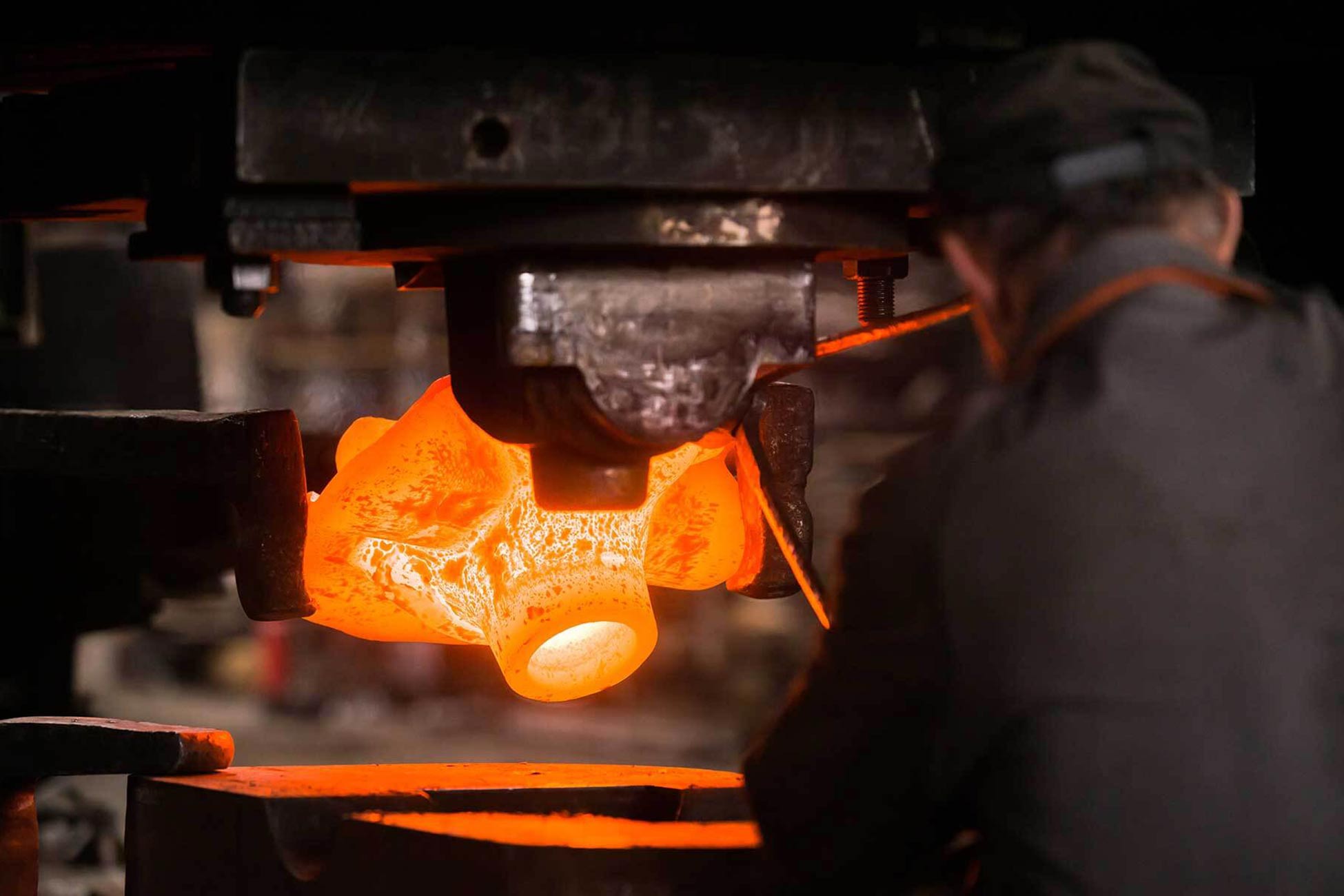
Hot forging changes the internal structure of metal using heat and force. The process makes the material denser, tougher, and more reliable compared to many other manufacturing methods. The result is a part that can handle extreme stress without cracking or failing easily.
And when industries spend millions on equipment, reliability matters more than anything.
Why Forged Parts Still Beat Many Modern Alternatives
A lot of manufacturing techniques look attractive because they are fast or cheaper. But when it comes to real-world durability, forged parts still stand strong.
Here’s why industries continue choosing forged components:
Better Strength
Forged metal parts are known for their incredible toughness. They can absorb impact and pressure much better than many cast or machined alternatives.
Longer Lifespan
Machines working in rough conditions need components that survive for years, not months. Forged parts usually last longer because of their improved grain structure and strength.
Improved Safety
In industries like automotive, railways, oil and gas, and aerospace, one failed component can become dangerous. Forged components reduce those risks significantly.
Reliable Performance
Heavy machines cannot afford downtime. Forged parts help equipment perform consistently even during extreme operations.
That’s why many industries still refuse to compromise when it comes to critical components.
The Human Skill Behind the Process
People often think forging is only about giant machines and heated metal. But the truth is, experience matters just as much.
A skilled forging team understands temperature control, pressure timing, material behavior, and finishing quality. Small mistakes during forging can affect the final strength of a component.
That human understanding is something technology alone still cannot fully replace.
You can actually see the difference when experienced manufacturers handle production. The finishing looks cleaner. The strength feels more dependable. The consistency becomes better.
And honestly, industries notice these things quickly.
Industries That Still Depend on Forged Components
Forging may sound like an old industrial process, but it powers many modern industries around us every single day.
Automotive Industry
Heavy vehicles, trucks, tractors, and performance vehicles rely on forged crankshafts, gears, connecting rods, and axle parts because these components face constant pressure.
Construction Equipment
Machines used in construction work under brutal conditions. Forged parts help excavators, loaders, cranes, and bulldozers survive harsh environments.
Railways
Railway systems need strong and dependable metal parts that can handle heavy weight and continuous movement for years.
Oil and Gas Sector
Drilling equipment and industrial valves work under intense pressure and heat. Forged components help maintain safety and operational stability.
Agriculture Machinery
Farm equipment works for long hours in rough fields. Strong forged parts improve machine life and reduce maintenance issues.
Even after decades, industries continue trusting forging because real-world performance matters more than trends.
Why Cheap Manufacturing Often Fails
Many companies try to reduce costs by choosing cheaper components. At first, it may save money. But later, breakdowns, repairs, downtime, and replacements create much bigger losses.
This is something many industries learn the hard way.
A weak component inside a heavy machine can stop entire operations. Workers sit idle. Deadlines get delayed. Clients become frustrated. Maintenance costs rise quickly.
That’s why serious industries usually prefer quality over shortcuts.
Strong forged components may cost slightly more initially, but they often save massive costs later by preventing failures.
The Future of Forging Looks Strong
Some people assume traditional manufacturing methods disappear with time. But forging continues evolving instead of fading away.
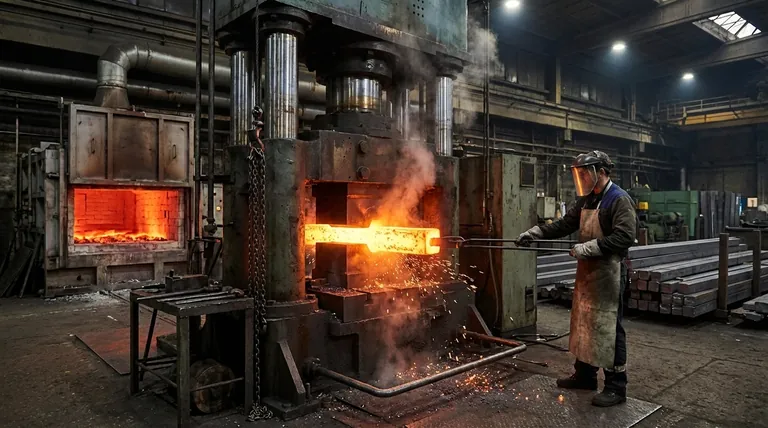
Today’s forging companies use advanced machinery, quality testing systems, better heating technology, and precision engineering. The process has become smarter while keeping its core strength the same.
And demand is still growing.
As industries build heavier machines, stronger vehicles, and more powerful industrial systems, the need for durable forged parts keeps increasing.
Because at the end of the day, no industry wants weak components inside critical machines.
Final Thoughts
The world keeps changing fast, but some manufacturing processes survive because they simply work better. Hot forging is one of them.
From massive industrial equipment to everyday transportation systems, forged components continue powering machines people depend on daily without even realizing it. Strength, reliability, durability, and safety still matter deeply in modern industries, and forged parts deliver exactly that.
According to reports and industrial insights shared by organizations like global manufacturing studies published by World Economic Forum, heavy industries are continuing to invest in stronger and more durable manufacturing solutions because machine reliability remains one of the biggest priorities worldwide.


Comments
Post a Comment