The Growing Demand for CNC Machined Parts in High-Precision Manufacturing
Modern manufacturing has changed dramatically over the last few decades. Industries today expect products that are more accurate, reliable, and durable than ever before. This shift has increased the need for high-quality production methods, and that is where CNC Machined Parts have become extremely important. From aerospace and automotive to medical equipment and electronics, manufacturers rely on precision-made components to ensure their products perform exactly as intended.
Why Precision Matters More Than Ever
In the past, small manufacturing errors were often accepted as part of the production process. Today, even a tiny mistake can lead to product failure, safety concerns, or expensive recalls. As technology becomes more advanced, the demand for accuracy continues to grow.
Many industries now produce products that contain hundreds or even thousands of individual components. Every part must fit perfectly with the others. If one component is slightly off, the entire system can be affected. This is especially important in sectors such as healthcare, aviation, and defence, where performance and safety are critical.
Because of this, manufacturers are looking for production methods that deliver consistent results every time. Precision has become a necessity rather than a luxury.
The Rise of Advanced Manufacturing
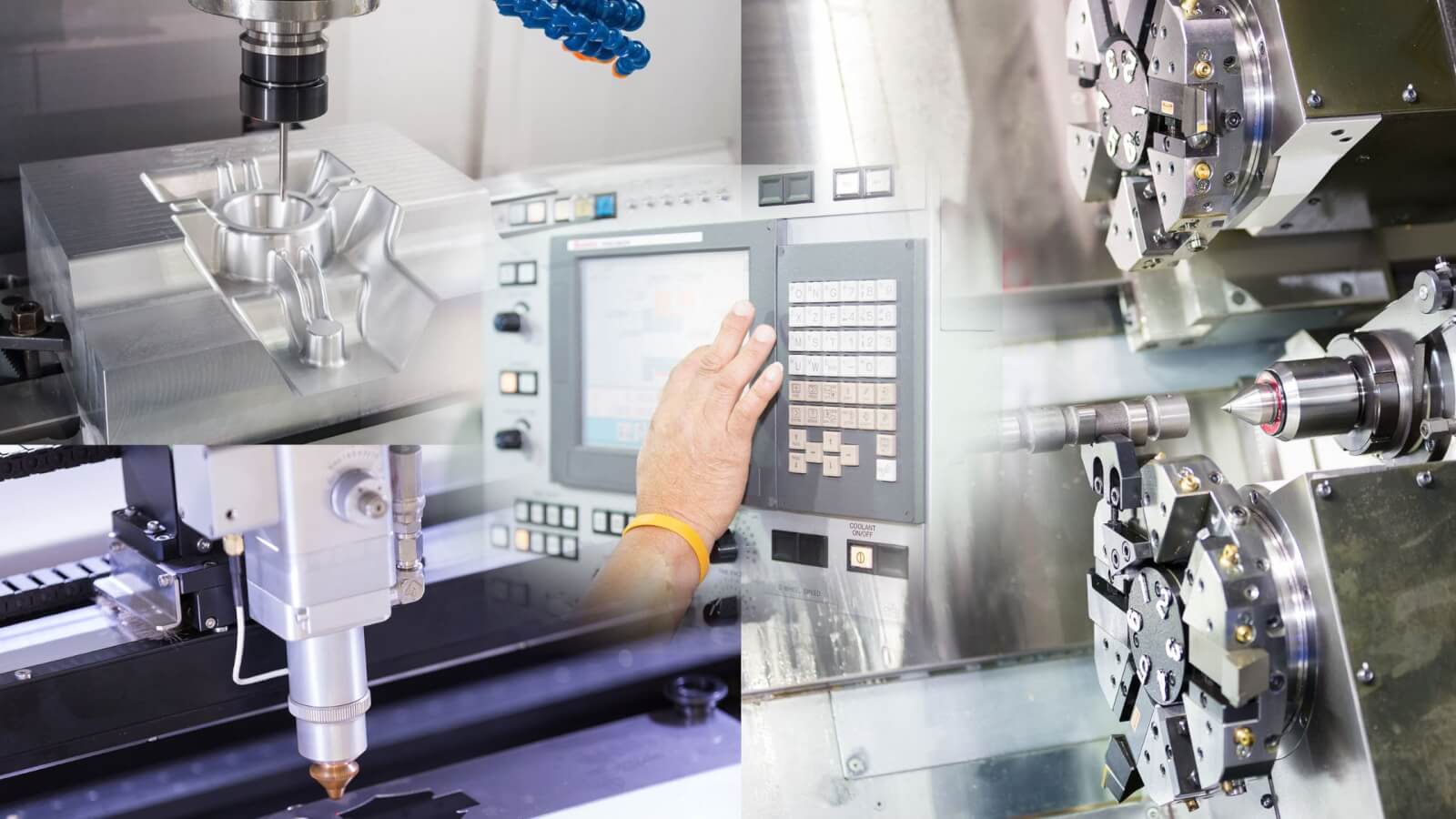
The manufacturing world is becoming smarter and more automated. Companies are investing heavily in advanced machinery and digital technologies to improve production quality and efficiency.
Automation allows businesses to produce complex components with incredible accuracy while reducing human error. Modern production facilities can operate around the clock, helping companies meet growing customer demands without sacrificing quality.
As industries continue to adopt advanced manufacturing techniques, the need for highly accurate components naturally increases. Businesses want parts that meet exact specifications and maintain the same level of quality across every production run.
Industries Driving the Demand
Several major industries are contributing to the growing need for precision-engineered components.
Aerospace
Aircraft manufacturers require components that can withstand extreme conditions while maintaining exceptional reliability. Every part used in an aircraft must meet strict quality standards because passenger safety depends on it.
Medical Equipment
Medical devices often contain highly detailed components that must function flawlessly. Surgical tools, diagnostic machines, and implantable devices all require exceptional accuracy during production.
Automotive
Modern vehicles are becoming more sophisticated, with electric vehicles and advanced safety systems creating new manufacturing challenges. Accurate components help improve performance, efficiency, and reliability.
Electronics
As electronic devices become smaller and more powerful, manufacturers need components that can fit into compact spaces without compromising performance. Precision manufacturing helps make this possible.
Benefits of High-Precision Components
There are several reasons why businesses prefer highly accurate manufacturing solutions.
Better Product Quality
Accurate components fit together properly, resulting in products that perform better and last longer.
Reduced Waste
When parts are produced correctly the first time, less material is wasted. This helps companies save money and reduce environmental impact.
Improved Efficiency
Consistent production reduces the need for rework and repairs. Manufacturers can complete projects faster while maintaining high standards.
Stronger Customer Trust
Customers expect products that work reliably. High-quality manufacturing helps companies build strong reputations and long-term relationships with their clients.
The Impact of Industry 4.0
Industry 4.0 is transforming manufacturing through the use of smart technologies, data analytics, and connected systems. Machines can now communicate with one another, monitor performance in real time, and identify potential issues before they become serious problems.
This new approach allows manufacturers to maintain tighter quality control and achieve even greater levels of accuracy. As more companies embrace digital transformation, the demand for precision-engineered components is expected to rise further.
Businesses that invest in modern manufacturing technologies are often better positioned to compete in a global marketplace where quality and reliability are key deciding factors.
Also Read: How CNC Machined Components Are Quietly Redefining Precision in Modern Engineering
Looking Ahead
The future of manufacturing will continue to focus on accuracy, efficiency, and innovation. As products become more advanced and customer expectations continue to rise, manufacturers will need production solutions that can deliver consistent, high-quality results.
Emerging technologies such as electric vehicles, renewable energy systems, robotics, and advanced medical devices will create even greater demand for precision-made components. Companies that can meet these requirements will play an important role in shaping the future of modern manufacturing.
According to insights shared by the World Economic Forum, advanced manufacturing technologies are expected to play a major role in improving productivity, sustainability, and global industrial growth in the years ahead. This highlights why precision-focused production methods are becoming increasingly valuable across industries.


Comments
Post a Comment