Forged to Survive: How the Right Forging Parts Supplier Keeps Your Machines Running Under Pressure
In the fast-paced world of manufacturing and heavy machinery, downtime is more than just an inconvenience — it can cost companies thousands of dollars in lost productivity. That’s why choosing the right Forging Parts Supplier isn’t just a business decision; it’s a lifeline for your machines. A reliable supplier ensures that every part you receive can endure high stress, extreme temperatures, and constant wear and tear, keeping your operations smooth and uninterrupted.
Why Quality Forging Parts Matter
Not all metal parts are created equal. When machines are running under pressure, even a small flaw in a component can lead to a catastrophic failure. High-quality forged parts are designed to withstand extreme conditions, providing durability and precision that keeps machinery performing at its best. Think of it like the difference between a chain that can hold a hundred kilograms and one that snaps under fifty. In a factory or production line, that difference is enormous.
The right forging parts help:
Extend the lifespan of machinery
Reduce unexpected breakdowns
Improve efficiency and output
Ensure safety for operators
The Role of a Trustworthy Supplier
Finding a trustworthy forging parts supplier is about more than just getting the parts you need. It’s about building a relationship with a partner who understands the stakes. A good supplier knows the demands of your industry, offers consistent quality, and provides fast turnaround times. When a machine fails unexpectedly, every hour counts. Having a supplier you can rely on means you can get replacement parts quickly, keeping downtime to a minimum.
Reliability also extends to the consistency of the product itself. A trusted supplier ensures that every batch of forged parts meets strict quality standards, meaning you don’t have to worry about variations that could compromise performance.
What Makes Forged Parts Stand Out
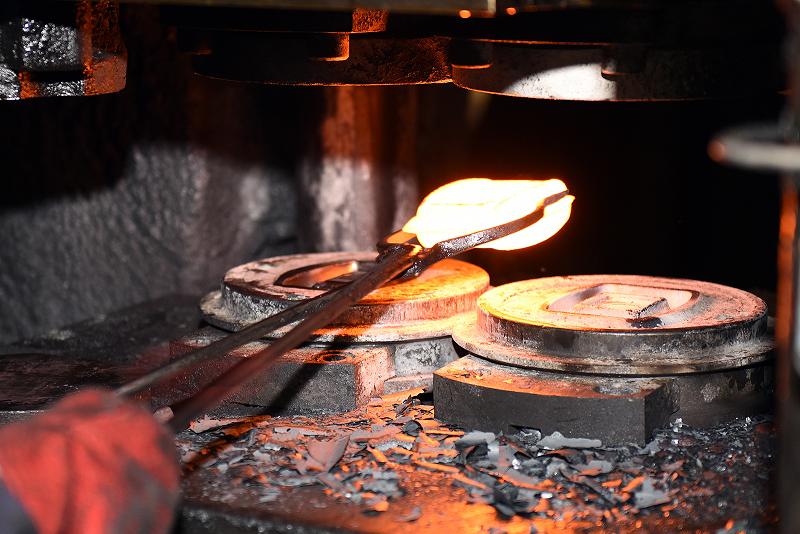
Forging is a process that shapes metal under intense heat and pressure, creating parts that are stronger and more resistant to fatigue than those made through casting or machining alone. The benefits include:
Superior Strength: Forged parts are denser and have a uniform grain structure, making them much tougher.
Better Durability: They resist wear, cracks, and impact, which is crucial for machines operating continuously.
Precision Fit: Accurate dimensions reduce unnecessary friction and wear, keeping machines running efficiently.
In short, forged parts are designed to survive where ordinary parts fail.
Choosing the Right Supplier: What to Look For
When evaluating a forging parts supplier, consider the following:
Experience and Expertise: A supplier with years of experience understands the challenges of various industries and can provide tailored solutions.
Quality Standards: Check for certifications and quality control processes that ensure every part meets industry specifications.
Production Capacity: Your supplier should be able to meet your demand without compromising quality or speed.
Customer Support: Quick responses, guidance on part selection, and problem-solving are signs of a partner who values your business.
Real Stories, Real Impact
Manufacturers often share stories of machines kept alive thanks to reliable forged parts. A production line halted by a failed component can be back up in hours, not days, when the right supplier is on call. In industries like automotive, aerospace, and heavy machinery, a single forged part can be the difference between on-time delivery and costly delays.

Beyond Parts: Building Trust
At the end of the day, a forging parts supplier is more than a vendor — they’re a partner in your success. Trust, transparency, and consistency are just as important as the parts themselves. Suppliers who invest in long-term relationships tend to provide insights, guidance, and solutions that go beyond what you might expect from a simple transaction.
Also Read: Heat, Pressure & Precision: What Makes Hot Forging Manufacturers the Unsung Heroes of Engineering
Conclusion
Choosing the right forging parts supplier is a decision that affects efficiency, safety, and the bottom line. The right partner ensures your machines can endure high stress, continuous operation, and unforeseen challenges. In industries where every second of uptime matters, having reliable forged parts is not optional — it’s essential.
For more insights into how forging technology impacts manufacturing, you can check this report by Forbes on industrial manufacturing trends: Forbes Industrial Manufacturing Report


Comments
Post a Comment