Behind Every Smooth Engine Roar: The Untold Role of Forged Automotive Components in Preventing Disaster
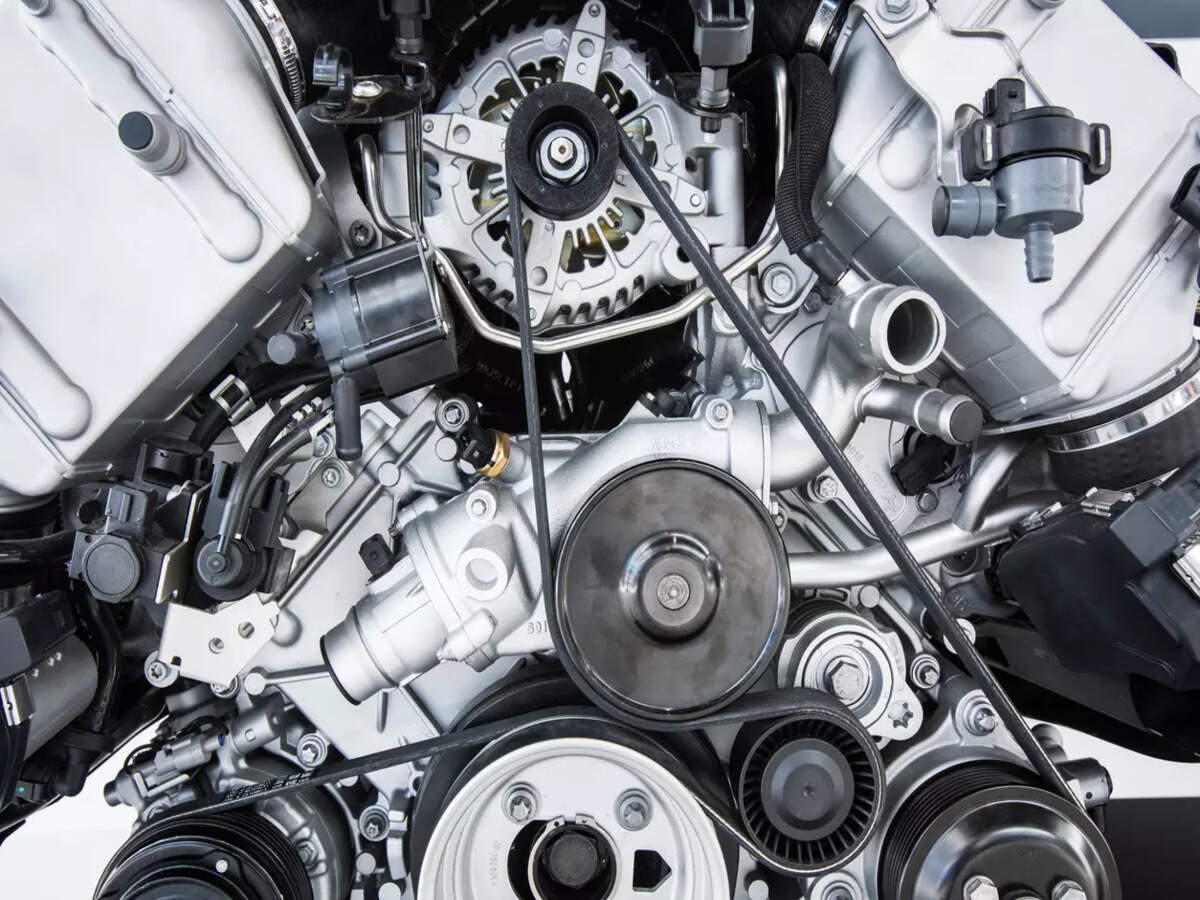
There’s something deeply satisfying about the sound of a car engine running smoothly. That steady roar, that quiet power under your foot, the feeling that everything is working exactly as it should. But what most people don’t realize is that behind that confident sound lies a world of strength, precision, and engineering discipline. And at the heart of it all are Forged Automotive Components — the silent protectors that keep machines from turning into disasters.
We often admire the design of a car. The color. The headlights. The comfort inside. But rarely do we think about what’s happening deep inside the engine when we press the accelerator. Metal parts are colliding thousands of times per minute. Temperatures are rising. Pressure is building. The engine is under constant stress. In those intense moments, there is no room for weakness.
That’s where forging makes all the difference.
What Does “Forged” Really Mean?
Let’s keep it simple.
Forging is a process where metal is shaped under extreme pressure. Instead of just pouring molten metal into a mold and letting it cool, forging compresses the metal while it’s hot. This pressure aligns the grain structure of the metal, making it stronger and more durable.
Think of it like kneading dough. When you knead it, you make it tighter and stronger. Forging does something similar to metal. It makes it tougher from the inside.
And when you’re talking about parts that live inside an engine — like crankshafts, connecting rods, gears, and axle components — strength is not optional. It’s everything.
Why Strength Matters More Than You Think
Cars today are faster, heavier, and more powerful than ever before. Turbochargers, higher compression ratios, electric hybrids — all of these innovations put more pressure on internal components.
Now imagine if a weak part fails at high speed.
An engine seizure.
A broken crankshaft.
A snapped connecting rod.
A sudden loss of power on the highway.
These aren’t small issues. They can cause massive engine damage, expensive repairs, or even accidents.
Forged parts reduce that risk dramatically. They are built to handle extreme stress. They resist cracking. They survive heat cycles. They endure heavy loads without losing shape.
In simple words, they are built for battle.
The Hidden Heroes Inside Your Engine
Let’s talk about some real examples.
Crankshafts convert up-and-down motion into rotational power. They are constantly under pressure. A forged crankshaft can withstand higher loads and last longer, especially in performance vehicles.
Connecting rods connect pistons to the crankshaft. If one fails, the engine can be destroyed instantly. Forged rods offer higher fatigue resistance.
Gears inside transmissions deal with torque every single second. Forged gears handle shock loads better and maintain their structure under stress.
These parts don’t get attention. No one takes photos of them for social media. But they quietly do their job every day.
And they are the reason your engine sounds confident instead of fragile.
Preventing Disaster Before It Happens
Most mechanical disasters don’t happen randomly. They happen because something was pushed beyond its limit.
Cheap materials.
Poor manufacturing.
Weak internal structure.
Forging helps prevent these failures before they even begin. Because the metal grain flows with the shape of the part, it naturally becomes stronger where it needs to be strongest.
That means fewer cracks.
Less fatigue.
Better resistance to sudden impact.
It’s not about making parts heavy. It’s about making them reliable.
In industries like motorsports, heavy-duty trucks, and even aerospace, forged components are preferred because failure is simply not an option. And that mindset has slowly shaped modern automotive manufacturing too.

Safety Is Emotional, Not Just Mechanical
When you drive, you trust your vehicle with your life. You trust it with your family. You trust it on long highways, in heavy rain, in city traffic.
That trust isn’t built on paint or features. It’s built on engineering integrity.
You may never see the inside of your engine. You may never know the name of the part that prevented a breakdown. But you benefit from it every day.
And when manufacturers choose stronger forged parts over cheaper alternatives, they are choosing long-term safety over short-term savings.
That decision matters.
Because behind every smooth engine roar is a promise: the promise that things won’t fall apart when they are needed most.
The Future Demands Even More Strength
Cars are evolving. Electric vehicles bring instant torque. Hybrid systems combine multiple power sources. Performance standards keep rising.
All of this means internal components must be tougher than ever.
Forging technology has also evolved. Advanced materials, precision dies, and better heat treatment processes are pushing durability to new levels. Manufacturers are investing heavily in these methods because reliability is now a competitive advantage.
Drivers expect more. They expect engines that last. They expect vehicles that perform without drama.
And strong internal components are what make that possible.
Final Thoughts
The next time you start your car and hear that smooth, confident engine sound, remember this: it’s not just noise. It’s the result of engineering decisions made far below the surface. It’s the strength of carefully shaped metal holding everything together under pressure.
In a world where speed and power often steal the spotlight, durability quietly saves the day.
If you’re curious about how forging continues to shape modern manufacturing, reports like the ones shared by industry platforms such as Automotive World provide deep insights into global automotive engineering trends and safety advancements.
Because sometimes, the most important parts are the ones you never see.


Comments
Post a Comment